Annual Cleaning Schedule: A Designer's Guide to Home Harmony
Let’s be honest: "cleaning schedule" doesn’t usually conjure images of beautiful design. It evokes fluorescent sticky notes, frantic scribbles, or a generic, uninspired grid. But what if the tool that brings order to your domestic chaos could also be a piece of thoughtful, functional design? That’s the philosophy behind a truly effective Annual Cleaning Schedule. It’s not just a list; it’s a system, a visual roadmap for your home’s maintenance that respects your time and aesthetic sensibilities. For anyone who values both form and function—from the entrepreneur managing a home office to the crafter with a dedicated studio—this approach transforms a chore into a manageable, even satisfying, part of your yearly rhythm.
More Than a Grid: The Anatomy of an Effective Planner
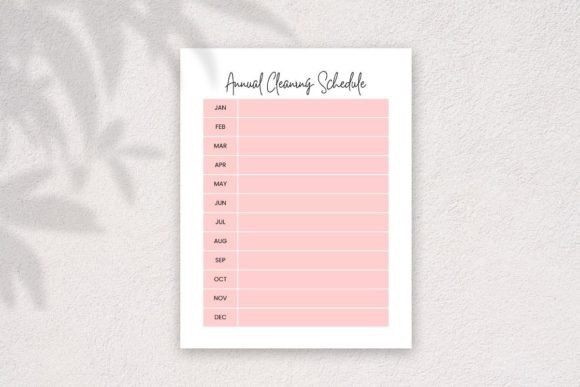
A well-designed Annual Cleaning Schedule moves beyond a simple monthly checklist. Its strength lies in its structure and adaptability. Visually, it should offer clarity at a glance. Think clean lines, ample white space, and a logical hierarchy that guides your eye from major seasonal tasks (spring deep clean, pre-holiday prep) down to weekly maintenance. The personality is practical and calm, not overwhelming. Its style is minimalist utility, avoiding decorative flourishes that compete with its core purpose. The overall appeal is one of control and possibility—proof that a system exists that can tame the yearly cleaning beast.
This is where the concept of a premium font comes into play, not as a sales pitch, but as a crucial design asset. The typography chosen for such a planner does more than just label sections; it sets the tone. A clean, modern sans serif font for headings communicates efficiency and contemporary order. Paired with a highly legible, slightly softer serif font or even a subtle script font for motivational notes or the month names, it creates a balanced visual identity. This thoughtful font pairing is what elevates the document from a mere utility to a tool you actually want to print and display. It’s about applying modern typography principles to everyday life, ensuring the document itself is easy to read and pleasant to use, which in turn makes you more likely to follow through.
Strategic Applications: From Home Office to Brand Consistency
The real-world value of a customizable Annual Cleaning Schedule extends far beyond mopping floors. Its applications are a masterclass in organized thinking, relevant to numerous creative and professional fields.
- For the Entrepreneur and Home Office: Your environment directly impacts productivity. A scheduled deep clean of your workspace every quarter isn't just about hygiene; it's about resetting your mental focus. Using this planner to block out time for organizing files, cleaning equipment, and refreshing your office aligns your physical space with your business goals. The professional appearance of a well-designed plan, using a consistent typeface, mirrors the brand consistency you strive for in your client-facing materials.
- For the Creative Professional and Crafter: Studios and workshops accumulate clutter that stifles creativity. An annual plan helps schedule the organization of materials, the maintenance of tools, and the clearing of surfaces. This isn't about sterile perfection; it's about creating a functional environment where ideas can flow. The planner becomes part of your design assets, a tool for maintaining the studio that produces your work.
- For Content Creators and Bloggers: A clean, organized background is essential for video content and photography. A cleaning schedule ensures your filming space is always ready, reducing pre-production stress. Furthermore, the discipline of maintaining a schedule translates directly to content calendars and project management, reinforcing a mindset of proactive planning.
- For Small Business Owners with Physical Spaces: Whether you run a boutique, a café, or a studio open to clients, cleanliness is non-negotiable for customer perception. An annual schedule ensures no area is overlooked, contributing to a professional brand identity that builds trust. It’s operational planning at its most fundamental.
The principle here is universal: a structured, visual plan for maintenance creates consistency. This consistency, whether applied to a home, a studio, or a brand, builds recognition and professionalism. It’s the same thinking behind a strong logo design or a cohesive editorial design layout—systematic thinking leads to reliable, quality outcomes.
Choosing and Implementing Your System: A Practical Guide
Selecting and implementing an Annual Cleaning Schedule is an exercise in personal project management. Here’s how to approach it with the mindset of a designer or strategist evaluating a new tool.
- Evaluate the Fit: Does the visual style of the planner align with your personal taste and the aesthetic of your home or office? A planner that feels disjointed from your environment is less likely to be used. Look for a creative font choice that you find genuinely appealing—it will make the tool more engaging.
- Test for Readability and Hierarchy: Can you quickly scan and understand the layout? A good planner uses visual hierarchy effectively. The most important tasks (monthly resets) should be visually distinct from weekly chores. Test the readability considerations by printing a sample page. Are the font sizes clear? Is there enough contrast?
- Customize for Your Reality: The true power of a digital, editable planner is customization. Use a platform like Canva to tailor it. Change the font to one from your own brand kit if you wish. Adjust categories to match your home's specific needs (e.g., adding a "Greenhouse" or "Home Gym" section). This isn't about being rigid; it's about making the system yours.
- Consider the Output: A planner designed for print design should have proper margins and a format (like letter size PDF) that ensures a clean, professional result at home or a print shop. For digital use, a high-resolution PNG is perfect for embedding in digital notes or project management apps.
- Pair It with Complementary Tools: Your cleaning schedule is one part of a larger system. It can live beautifully alongside your meal planner, project timeline, or content calendar. Using consistent font pairing across all these personal management tools can create a cohesive and satisfying organizational ecosystem, reinforcing your brand identity—even if that brand is just "You, Organized."
Ultimately, an Annual Cleaning Schedule is a framework for intentional living. It’s a commitment to the idea that maintaining your environment is a valuable, scheduled activity, not a chaotic reaction. By applying design thinking to this mundane task, you create a tool that supports your broader goals, whether they’re professional, creative, or simply the desire for a more peaceful, ordered home. It’s a small investment in a system that pays dividends in time saved, stress reduced, and a consistent sense of accomplishment.