Student Editable Text Effect: Dynamic 3D Typography for Modern Creators
Understanding the Visual Impact and Core Utility
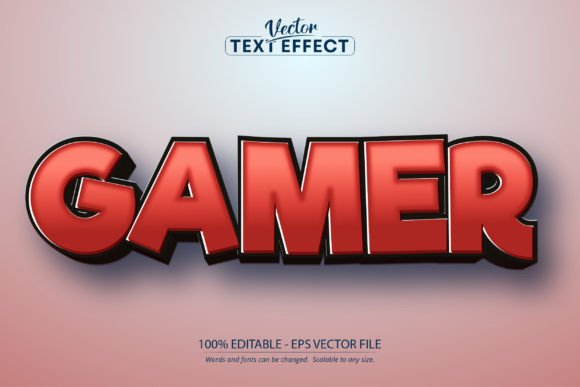
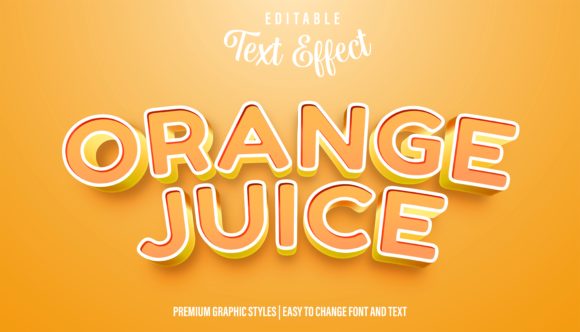
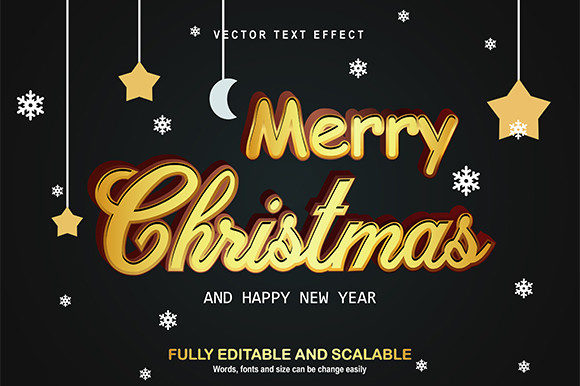
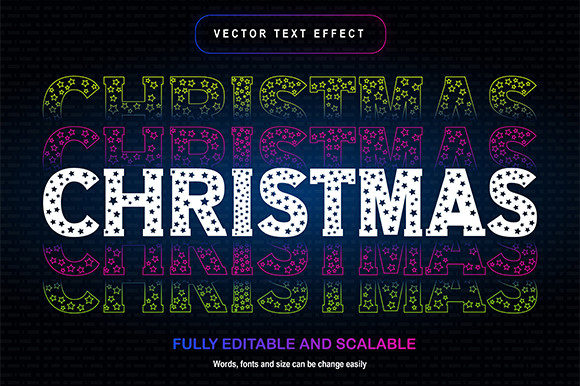
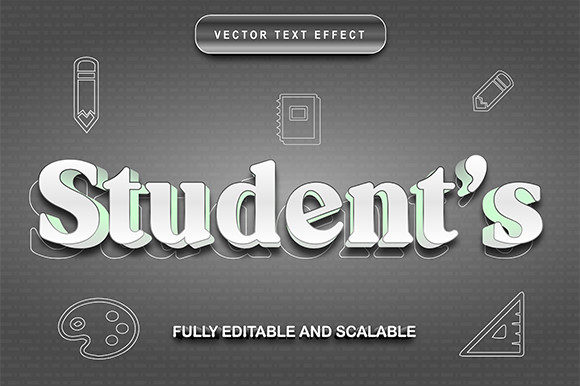
The Student Editable Text Effect is not merely a static image; it is a dynamic design asset tailored for creators who need flexibility without sacrificing style. At its core, this resource transforms standard typography into a striking three-dimensional form. It captures the essence of modern typography trends—depth, shadow, and texture—while maintaining a clean, professional aesthetic. Unlike a traditional typeface that requires you to manually adjust layers and lighting to achieve a 3D look, this effect is pre-engineered. You simply input your text, and the depth, shading, and perspective are automatically applied. This approach bridges the gap between complex graphic design and user-friendly accessibility, making it a valuable tool for those who may not have advanced technical skills but require high-end visual results.
The visual personality of this effect leans toward bold and assertive. It is designed to command attention, making it an ideal candidate for display font applications where readability at a glance is paramount. The "student" aspect of the name suggests a youthful, energetic vibe—perhaps reminiscent of school spirit, learning environments, or youthful branding. However, its application extends far beyond educational themes. The 3D rendering offers a tactile quality, giving the impression that the letters are popping off the page or screen. This creates an immediate focal point, which is crucial in crowded visual environments like social media feeds or busy retail packaging.
Strategic Applications Across Industries
For entrepreneurs and small business owners, the Student Editable Text Effect serves as a rapid prototyping tool for branding. Consider the initial stages of logo design or brand identity development. You might be experimenting with how your brand name looks in various contexts. Using this editable effect, you can quickly visualize your name on a website banner, a Facebook cover, or a KDP paperback cover. It allows you to test the visual hierarchy of your branding elements. Does the 3D effect overshadow the tagline? Does the color mode complement your existing brand palette? Because the file is 100% layered and fully editable, you can tweak these variables in real-time.
Marketers and content creators will find immense value in the asset's adaptability for digital campaigns. In the realm of social media graphics, the competition for attention is fierce. A flat, standard font often gets lost in the scroll. By applying the Student Editable Text Effect, you introduce depth and texture that stop the thumb. It works exceptionally well for announcements, sales headers, or call-to-action buttons within an image. The 2000x1200 pixel dimension is optimized for many standard digital formats, ensuring that the image remains crisp and professional across devices. Furthermore, the RGB color mode ensures vibrant color reproduction on screens, which is essential for digital marketing.
Publishers and authors, particularly those involved in KDP (Kindle Direct Publishing) or self-publishing, often struggle with creating covers that look professional without hiring expensive illustrators. This text effect provides a solution for titles that need to stand out in thumbnail size. Whether you are designing a fantasy novel, a student planner, or a business workbook, the 3D effect adds a layer of sophistication. It mimics the look of premium design assets, potentially increasing the perceived value of the product. The ability to change fonts and letters means you are not locked into a specific typeface; you can match the effect to the genre of your book, whether it requires a serif font for tradition or a sans serif font for modernity.
Technical Specifications and Editing Workflow
One of the most practical aspects of the Student Editable Text Effect is its technical architecture. Delivered as an AI (Adobe Illustrator) file, it utilizes vector-based editing. This is a significant advantage over raster-based effects. Vectors allow for infinite scalability; you can resize the text to fit a massive billboard or a small business card without losing the crispness of the 3D edges. The 72 DPI setting is standard for web and digital use, keeping the file size manageable for quick edits, though for print applications, users should ensure their final output workflow handles resolution appropriately.
The editing process is streamlined for efficiency. The "copy, paste, or typing" instruction highlights the user-friendly nature of the design. Inside the vector file, the text remains live or is easily replaceable. This is particularly useful for creating a series of consistent graphics. For instance, if you are running a marketing campaign with different weekly themes, you can reuse the exact same effect and simply swap out the text. This ensures brand consistency across all materials. The layered structure means that shadows, highlights, and base colors are on separate planes. An advanced user can deconstruct these layers to change the lighting direction or alter the texture, but for the average user, the default settings provide a polished, ready-to-use look.
Design Integration and Typography Pairing
Integrating a heavy 3D effect like this requires a thoughtful approach to typography and layout. The Student Editable Text Effect acts as a visual anchor. Because it is bold and voluminous, it should typically be paired with cleaner, flatter elements to avoid visual clutter. If you are using this for a headline, consider pairing it with a clean sans serif font for the body copy. This contrast creates a clear visual hierarchy, guiding the viewer's eye from the impactful title to the informational content below.
When selecting the actual font to apply within the effect, consider the context. A rounded, bubbly typeface might enhance the playful "student" vibe, making it perfect for school events or youth-oriented brands. Conversely, applying a sharp, geometric sans serif can make the effect look futuristic and industrial, suitable for tech startups or gaming banners. The flexibility to change fonts means this single asset can serve multiple distinct brand identities. It is not a one-trick pony; it is a versatile foundation for various creative explorations.
Practical Recommendations for Professional Use
To maximize the utility of the Student Editable Text Effect, start by defining the emotional tone of your project. If the goal is to convey authority and premium quality, stick to darker color palettes—deep blues, blacks, or metallic tones—within the effect. If the goal is energy and fun, utilize high-saturation RGB colors. The editable nature allows for these shifts in seconds.
For print designers, while the file is set to RGB, the conversion to CMYK is a standard step in professional workflows. However, be mindful that some vibrant 3D shadows may shift slightly when converting to print color spaces. It is always advisable to do a test print or a soft proof to ensure the depth translates well to paper. For web designers, the effect is ready to go. It can be exported as a PNG with a transparent background (once the background layer is hidden) to overlay onto website hero sections. This creates an engaging entry point for visitors.
Ultimately, this resource is about empowering creators. It democratizes a specific style of graphic design—3D typography—that usually requires time-consuming manual work. By using the Student Editable Text Effect, you save production time while elevating the visual quality of your deliverables. It is a practical addition to any designer's toolkit, offering a blend of aesthetic appeal and functional flexibility that meets the fast-paced demands of modern content creation.